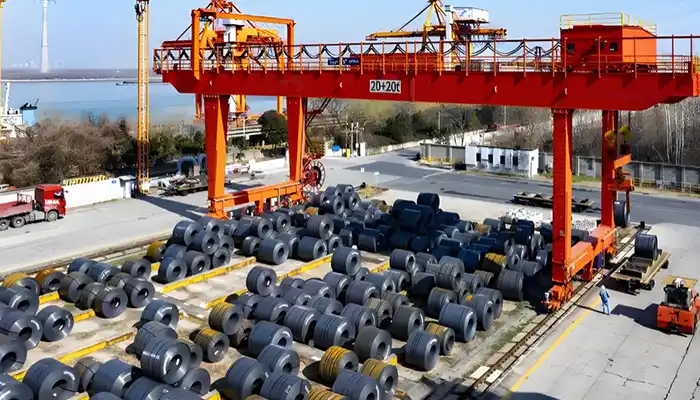
Indoor vs Outdoor Steel Yard Cranes in Canada: Weather Guide
menu_open
Content Quick Link
Indoor vs. Outdoor Steel Yard Cranes in Canada: How Weather Impacts Crane Design Choices
Introduction
Steel Yard Operations Across Canada
Canada hosts a wide variety of steel yard operations. From large steel mills in Ontario and Quebec to smaller fabrication yards in Alberta and British Columbia, these facilities rely heavily on cranes for handling steel beams, slabs, and coils. Overhead cranes, gantry cranes, and portal cranes are the backbone of material movement, directly influencing productivity, safety, and equipment longevity.
Why Choosing the Right Crane Matters
Selecting a crane is not simply about capacity. The wrong crane can result in frequent maintenance, operational delays, and even safety hazards. Canadian steel yard operators face unique challenges due to extreme temperatures, heavy snow, ice, and high winds. For example, a crane designed for a temperate indoor workshop in southern Ontario might fail to perform efficiently in Manitoba's sub-zero winters or British Columbia's rainy coastal conditions.
How Canada's Climate Impacts Crane Performance
Weather is not just an inconvenience—it affects crane design and daily operation. Canadian climates vary widely:
- Cold temperatures can make steel brittle and affect motor performance.
- Snow and ice accumulation add extra loads to crane structures and tracks.
- Wind can impact crane stability, especially in outdoor yards.
- Humidity and rain—common in coastal regions—accelerate corrosion and require weatherproof electrical systems.
Practical Takeaways for Canadian Steel Yard Buyers
- Match crane type to its operating environment: indoor or outdoor.
- Use cold-weather rated motors and hoists in northern or prairie regions.
- Ensure outdoor cranes have corrosion-resistant coatings for coastal areas.
- Consider operational limits for extreme weather: snow, ice, and wind.
- Plan maintenance schedules around seasonal climate challenges.
Types of Steel Yard Cranes Commonly Used in Canada
Indoor Cranes – Controlled Environment Lifting
Indoor cranes are mostly used inside workshops, fabrication halls, or covered storage facilities. They're perfect when you want precise material handling without worrying about the weather.
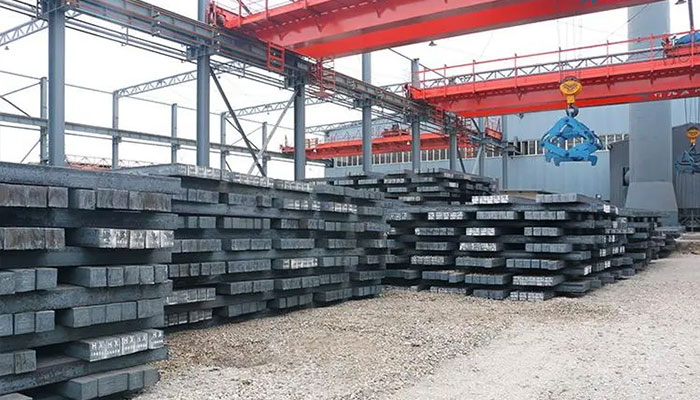
Indoor crane for indoor slab handling, tailored slab handling overhead cranes
Common Features
- Overhead Bridge Cranes: These run on rails fixed to the building structure. They allow smooth, accurate movement of steel slabs, beams, or coils.
- Typical Capacities: Usually 5 to 50 tons in Canadian facilities, depending on workshop size and steel load.
Why They Work Well Indoors
- Protected from snow, ice, and rain
- Easier maintenance under stable temperature and humidity
- Minimal risk of corrosion on crane components
Outdoor Cranes – Built for Canada's Harsh Weather
Outdoor cranes are designed for open-air steel yards, ports, and large construction sites. In Canada, where winters can bring heavy snow and coastal regions have high humidity, these cranes need to withstand the elements.
Common Types
- Gantry Cranes: Move along ground tracks and span wide storage yards—ideal for heavy steel bundles.
- Portal Cranes: Similar to gantry cranes but often used where large clearances are needed.
Key Capabilities
- Heavy-duty models for Canadian steel mills, ports, and industrial yards
- Capacities often range from 20 tons up to 100 tons or more
- Reinforced structure, cold-weather motors, and weatherproof electrical systems
Why Outdoor Cranes Are Essential
- Operate reliably in snow, ice, and high winds
- Resistant to corrosion and harsh weather
- Able to handle heavy and bulky steel products across open spaces
Practical Tips for Canadian Buyers
- Choose indoor cranes for controlled environments and moderate loads.
- Choose outdoor cranes for large yards, heavy loads, and extreme weather conditions.
- Always match crane capacity to steel weight plus an additional safety margin for snow and wind loads.
Canadian Environmental Considerations
Overview
Canada's climate is extremely varied, and these conditions have a direct impact on steel yard crane performance. From the Arctic cold in northern provinces to the rainy, humid coasts of British Columbia and Atlantic Canada, crane buyers need to account for weather at every stage—from design to operation.
Cold Weather (Northern and Prairie Regions)
In provinces like Manitoba, Saskatchewan, and northern Ontario, winter temperatures can drop well below freezing. This extreme cold affects both the steel and the crane mechanisms.
- Steel brittleness: Low temperatures make steel less flexible, increasing the risk of fractures under heavy loads.
- Hoist motors and lubrication: Cold can thicken lubricants and reduce motor efficiency, causing slower operation or increased wear.
- Frost and ice accumulation: Ice forming on rails, trolleys, or crane beams can compromise safety and smooth movement.
Snow and Ice Loads
Heavy snowfall is common across Canada, particularly in the prairies and eastern provinces. Cranes must be built to handle these additional loads.
- Structural load: Snow accumulation on beams or gantry structures can add significant weight.
- Tracks and foundations: Snow and ice increase stress on rails and trolley wheels.
- Operational caution: Extra weight can reduce crane stability, so operators must adjust lifting practices during snowstorms.
Rain and Humidity (Coastal Regions: BC and Atlantic Provinces)
In Vancouver, Halifax, and other coastal areas, humidity and rainfall are persistent challenges for steel yard cranes.
- Corrosion risk: Moisture accelerates rusting on steel structures if not properly coated.
- Electrical components: Hoists, motors, and control panels are at risk if not sealed or weatherproofed.
- Insulation and performance: Damp conditions can affect motor insulation, reducing efficiency and increasing maintenance needs.
Wind and Storms
Open-air steel yards are vulnerable to high winds, especially on the Prairies, in the Great Lakes region, and coastal areas.
- Stability concerns: High winds can sway gantry cranes or trolley systems, increasing the risk of accidents.
- Operational limits: Cranes often have maximum wind speed ratings; operations may need to pause during storms.
Seasonal Temperature Swings
Canada experiences large temperature fluctuations, even within a single day in some regions.
- Maintenance cycles: Extreme swings can stress mechanical components, requiring more frequent inspections.
- Component fatigue: Repeated expansion and contraction of steel can cause structural fatigue over time, especially in outdoor cranes.
Practical Takeaways for Canadian Buyers
- Ensure outdoor cranes are rated for cold temperatures, snow load, and high winds.
- Choose corrosion-resistant materials or coatings for humid and coastal regions.
- Plan maintenance schedules around seasonal challenges to maximize crane lifespan.
- Always factor in extra load from snow and ice when selecting crane capacity.
Design Adaptations for Canadian Conditions
Overview
Canadian steel yard cranes must be designed to handle the country's extreme weather, from icy northern winters to wet coastal climates. Choosing a crane without considering local conditions can lead to costly downtime, frequent maintenance, and safety risks. Below are the key design adaptations Canadian buyers should look for.
Structural Design
The structure of a crane is its backbone. In Canada, outdoor cranes especially must be reinforced to withstand snow, ice, and wind.
- Corrosion-resistant coatings: Outdoor cranes should use galvanized steel, epoxy paint, or other protective coatings to prevent rust caused by rain, humidity, or coastal air.
- Reinforced frames: Cranes in snowy or windy regions need stronger beams and girders to handle additional loads safely without bending or swaying.
- Extra support for heavy-duty operations: Large steel mills or port yards may require custom structural reinforcement to carry extremely heavy steel bundles.
Hoist and Trolley Systems
The hoist and trolley are critical for lifting and moving steel safely. Canadian climates demand specialized components for reliability.
- Cold-weather rated motors and hoists: These maintain performance in sub-zero temperatures without slowing down or seizing.
- Sealed and weatherproof electrical components: Protects hoist motors, limit switches, and control panels from moisture, snow, and ice infiltration.
- Smooth operation under load: Reinforced trolleys and rails ensure stability even when ice or frost is present.
Control Systems
Controls must be designed to match the operating environment of the crane.
- Indoor cranes: Standard electrical systems and PLC controls are sufficient for controlled temperature and humidity.
- Outdoor cranes: Require weatherproof enclosures, anti-icing protection, and often remote operation options to keep operators safe in extreme conditions.
- Emergency and safety features: Anti-slip and overload protection systems help prevent accidents in challenging Canadian weather.
Foundations and Mobility
The foundation and movement system of a crane are equally important for outdoor operations.
- Reinforced tracks and supports: Essential for cranes operating on snow-covered or icy ground to prevent derailment or structural stress.
- Ballast or anchor systems: Provide extra stability in high-wind regions, particularly in open steel yards or coastal areas.
- Smooth and safe mobility: Ensures consistent lifting performance even under uneven loads or slippery conditions.
Practical Takeaways for Canadian Buyers
- Always match crane design to the local climate and environmental hazards.
- Choose materials and coatings that prevent corrosion and withstand snow, ice, and wind.
- Opt for hoists and controls rated for cold weather to reduce maintenance and downtime.
- Reinforced foundations and mobility systems improve safety and long-term durability.
Operational Considerations for Canadian Steel Yards
Overview
Operating steel yard cranes in Canada is more than just lifting steel—it's about adapting daily routines to the environment. Extreme cold, snow, ice, and wind can all impact crane performance, safety, and longevity. Canadian operators need to plan operations carefully to ensure efficiency and prevent accidents.
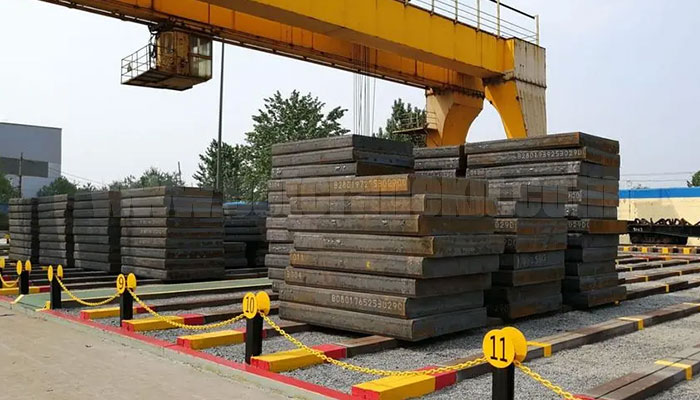 Outdoor gantry crane for outdoor steel yards, A frame gantry and U frame gantry cranes for hanlding slab, rebar, pipe and steel coil, etc.
Maintenance Frequency and Preventive Checks
Extreme weather increases wear on both indoor and outdoor cranes. Regular maintenance is essential to avoid unexpected breakdowns.
- Inspect hoists, trolleys, and rails for ice buildup or snow accumulation.
- Check lubricants and motors; cold weather can thicken oils and reduce motor efficiency.
- Examine electrical components for moisture ingress or corrosion, particularly in outdoor cranes.
- Increase inspection frequency during winter months or after storms.
Safety Protocols for Cold, Snow, and Ice Conditions
Crane operation in snow or icy conditions requires strict safety procedures to protect both personnel and equipment.
- Remove ice and snow from crane beams, tracks, and walkways before operation.
- Ensure all personnel are trained on cold-weather hazards and emergency procedures.
- Monitor load weights carefully, accounting for additional snow or ice accumulation on steel products.
- Use safety devices like limit switches and anti-slip trolleys to prevent accidents.
Adjusting Crane Operation Limits Based on Weather Forecasts
Weather in Canada can change rapidly, so operators must adjust crane operations accordingly.
- Pause or reduce crane operation during high winds, heavy snowfall, or freezing rain.
- Monitor temperature swings; very low temperatures may require slower lifting speeds.
- Use remote control systems where possible for outdoor cranes to keep operators safe.
- Maintain a log of weather-related operational limits to guide safe practices over time.
Practical Takeaways for Canadian Steel Yard Operators
- Plan preventive maintenance schedules around seasonal weather challenges.
- Train operators to recognize and respond to environmental hazards.
- Factor in snow, ice, and wind when calculating safe lifting capacities.
- Use weather-rated cranes and control systems to minimize downtime and improve reliability.
Cost and Investment Considerations in Canada
Overview
When planning a steel yard crane purchase in Canada, cost is more than just the initial price. Weather conditions, maintenance needs, and risk management all affect the total investment. Understanding these factors helps steel yard operators make decisions that save money and improve long-term reliability.
Higher Upfront Cost for Weatherproof and Cold-Rated Cranes
Cranes designed for outdoor use in Canada often come with additional features to handle extreme weather.
- Cold-weather rated hoists and motors that maintain performance in sub-zero temperatures.
- Weatherproof electrical components and sealed enclosures to prevent moisture damage.
- Reinforced frames and corrosion-resistant coatings for snow, ice, and coastal humidity.
- While these features increase the initial purchase cost, they are essential for safe, reliable operation.
Long-Term Maintenance Savings with Weather-Optimized Designs
Investing in cranes suited for Canadian conditions reduces frequent repairs and downtime.
- Fewer breakdowns due to ice, snow, or corrosion.
- Reduced need for emergency repairs in winter or after storms.
- Extended service life of critical components like motors, hoists, and rails.
- Lower total cost of ownership despite higher upfront investment.
Insurance and Liability Considerations
Canadian steel yard operators must consider the financial impact of accidents or damage caused by weather-related crane failures.
- Insurance premiums may be lower for cranes built to withstand extreme conditions.
- Properly rated outdoor cranes reduce liability risks from structural failures or dropped loads.
- Compliance with local safety standards and codes ensures better coverage and safer operations.
Practical Takeaways for Canadian Buyers
- Don't compromise on weatherproof and cold-rated features; short-term savings can lead to long-term losses.
- Factor in maintenance savings and extended service life when comparing crane options.
- Consult with insurance providers to understand how crane design affects coverage and liability.
- Choose suppliers familiar with Canadian climate conditions to ensure optimal crane performance.
Canadian Buyer Guidelines
Overview
Selecting the right crane for a Canadian steel yard goes beyond capacity and price. Regional climate, operational requirements, and long-term reliability all play a role. Understanding these factors helps buyers make informed choices that improve safety, efficiency, and return on investment.
Choosing Indoor vs. Outdoor Cranes Based on Regional Climate
The first step is deciding whether your crane will operate indoors or outdoors.
- Indoor Cranes: Ideal for workshops, storage facilities, or fabrication halls with controlled temperature and humidity. Best suited for southern provinces or areas where steel handling is mostly inside.
- Outdoor Cranes: Required for open-air steel yards, ports, or construction sites. These cranes need to handle snow, ice, wind, and heavy rain, particularly in northern, prairie, and coastal regions.
- Climate Matching: Assess local weather patterns, seasonal extremes, and potential wind or snow loads before making a purchase decision.
Features to Prioritize for Reliability and Longevity
Certain design and operational features are critical for Canadian conditions.
- Cold-weather rated motors and hoists for sub-zero temperatures.
- Corrosion-resistant coatings and sealed electrical components to prevent rust and moisture damage.
- Reinforced frames and foundations to withstand snow, ice, and high winds.
- Remote or weatherproof control systems for safe operation in harsh conditions.
Partnering with Experienced Crane Suppliers
Working with suppliers familiar with Canadian steel yard operations ensures your investment meets real-world demands.
- Suppliers should have experience providing weatherproof and cold-rated cranes.
- They can provide guidance on capacity selection, maintenance planning, and safety compliance.
- Local or internationally experienced suppliers can help navigate logistics, installation, and warranty considerations for Canadian conditions.
Practical Takeaways for Canadian Buyers
- Match crane type to local climate: indoor cranes for controlled environments, outdoor cranes for harsh weather.
- Prioritize features that protect against cold, corrosion, and wind stress.
- Partner with suppliers who understand Canadian steel yard challenges to avoid costly mistakes.
Conclusion
Selecting the right crane for a Canadian steel yard requires careful attention to environmental conditions, operational needs, and long-term reliability. Whether your facility operates indoors or outdoors, matching crane design to local weather challenges is essential for safe and efficient steel handling.
Key Takeaways:
- Environmental Adaptation: Choose cranes built to withstand local climate extremes—cold, snow, ice, wind, and humidity—without compromising performance.
- Safety and Efficiency: Weather-rated designs, reinforced structures, and properly maintained hoists ensure safe operation while minimizing downtime.
- Durability and Longevity: Investing in corrosion-resistant coatings, cold-weather components, and reinforced foundations reduces maintenance costs and extends crane life.
Recommendation for Canadian Buyers:
Consult suppliers experienced in Canadian steel yard operations. They can provide guidance on capacity, crane type, and customizations that suit your regional conditions. Working with knowledgeable suppliers ensures that your investment delivers consistent performance, safety, and value over time.

Article by Bella ,who has been in the hoist and crane field since 2016. Bella provides overhead crane & gantry crane consultation services for clients who need a customized overhead travelling crane solution.Contact her to get free consultation.